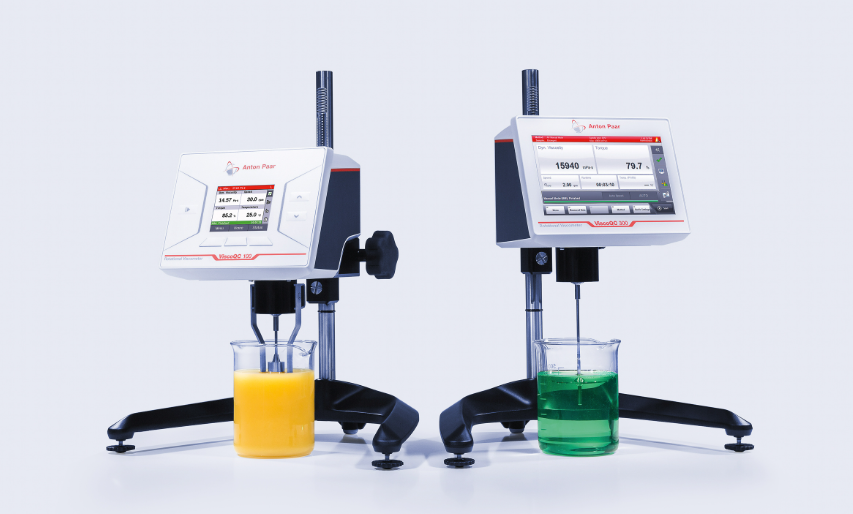
Understanding Viscosity Measurement Instruments

Introduction
Viscosity measurement instruments are essential tools in laboratories, production units, and quality control departments across various industries. They provide critical information about a fluid’s resistance to flow, a property that influences product performance, stability, and processing efficiency. Reliable viscosity measurement instruments allow engineers and scientists to ensure consistency, optimize formulations, and maintain high-quality standards in products ranging from chemicals to food and pharmaceuticals.
Importance of Accurate Viscosity Measurement
Accurate viscosity measurement is vital for several reasons:
- Quality Control: Ensures products meet industry standards and maintain consistency between batches.
- Process Optimization: Helps engineers adjust production parameters for efficiency and reduced waste.
- Product Performance: Influences the behavior of fluids, such as coatings, lubricants, and syrups, under operational conditions.
- Regulatory Compliance: Many industries require viscosity data to meet ISO, ASTM, and other regulatory standards.
- Research and Development: Provides essential data for new formulations and innovative product designs.
Reliable viscosity measurement instruments form the backbone of many analytical and production processes.
Types of Viscosity Measurement Instruments
Manufacturers offer a variety of instruments, each suitable for specific applications:
- Rotational Viscometers: Measure torque required to rotate a spindle in a fluid, ideal for high-viscosity samples.
- Capillary Viscometers: Determine flow time through a narrow tube, commonly used for low-viscosity liquids.
- Falling Ball Viscometers: Measure the time a ball takes to fall through a fluid, often used in research settings.
- Vibrational Viscometers: Utilize oscillating sensors to detect viscous resistance, suitable for real-time monitoring.
- Digital and Automated Viscometers: Provide precise readings, data logging, and minimal human intervention.
Choosing the correct instrument depends on the viscosity range, sample type, and required measurement accuracy.
See also: Enhancing Professional Skills for Business Success
Key Features to Consider
High-quality viscosity measurement instruments come equipped with several essential features:
- Digital Readouts: Provide clear, precise readings and reduce human error.
- Temperature Control: Maintains consistent conditions to avoid measurement discrepancies.
- Data Logging and Connectivity: Allows recording, exporting, and analysis of measurement data.
- Wide Viscosity Range: Accommodates diverse fluids from low-viscosity solvents to high-viscosity pastes.
- Automation Capabilities: Enhances repeatability and reduces manual handling errors.
These features ensure reliable and efficient operation in laboratories and industrial setups.
Applications Across Industries
Viscosity measurement instruments are widely used across multiple industries:
- Pharmaceuticals: For formulation consistency in syrups, ointments, and suspensions.
- Food and Beverage: Ensures proper texture, flow, and stability in sauces, beverages, and dairy products.
- Cosmetics: Assesses viscosity in creams, gels, and lotions for quality control and product performance.
- Chemicals: Measures paints, adhesives, lubricants, and other industrial fluids.
- Research Laboratories: Supports R&D in fluid mechanics, polymer sciences, and material formulation.
The versatility of viscosity measurement instruments makes them indispensable for quality assurance and innovation.
Advantages of Using Modern Instruments
Modern viscosity measurement instruments offer significant benefits:
- High Accuracy: Provides precise data essential for quality control and compliance.
- Consistency: Automated instruments reduce variability and human error.
- Efficiency: Faster measurements compared to traditional manual methods.
- Ease of Use: User-friendly interfaces and software integration streamline operations.
- Maintenance and Support: Reliable instruments from reputable manufacturers come with service options to ensure longevity.
Investing in modern instruments improves productivity and confidence in analytical results.
Selecting the Right Manufacturer
Partnering with a reputable manufacturer is key to obtaining reliable viscosity measurement instruments. Consider the following when selecting a manufacturer:
- Experience and Reputation: Established manufacturers have proven track records of quality and service.
- Product Range: Offers various instruments suitable for different viscosity levels and industries.
- Technical Support: Provides guidance, troubleshooting, and training for optimal instrument use.
- Compliance: Equipment meets ISO, ASTM, and other relevant regulatory standards.
- Customer Feedback: Reviews from existing clients indicate reliability and user satisfaction.
A reliable manufacturer ensures that instruments are accurate, durable, and supported with after-sales service.
Maintenance and Calibration
Proper maintenance is essential to ensure the longevity and accuracy of viscosity measurement instruments:
- Regular Calibration: Maintains measurement precision over time.
- Cleaning Procedures: Prevents contamination and ensures reliable readings.
- Software Updates: Keeps digital instruments functioning efficiently.
- Spare Parts Availability: Quick access to parts reduces operational downtime.
- Training: Proper handling and operation improve instrument lifespan and reliability.
Following maintenance protocols ensures that viscosity measurement instruments continue to provide consistent results.
Emerging Trends
The field of viscosity measurement is evolving with technological innovations:
- Automation and Smart Features: Instruments with automated sampling and AI integration enable predictive analysis.
- Connectivity and Data Management: Instruments with USB, Bluetooth, and software integration support efficient data collection and reporting.
- Portable Designs: Compact models allow field testing and on-site measurements.
- Sustainability: Eco-friendly designs reduce energy consumption and environmental impact.
- Real-Time Monitoring: Continuous monitoring of processes improves operational efficiency and quality control.
Manufacturers embracing these trends offer versatile, high-performance instruments for modern laboratories and industrial facilities.
Conclusion
Viscosity measurement instruments are essential tools that impact product quality, process efficiency, and regulatory compliance across various industries. Selecting the right instruments from a reputable manufacturer ensures accuracy, reliability, and long-term performance. Modern instruments offer features such as digital readouts, automation, temperature control, and data logging, making them suitable for a wide range of applications.
Investing in high-quality viscosity measurement instruments enhances productivity, improves product consistency, and supports research and development initiatives. By choosing instruments with advanced capabilities and partnering with a reliable manufacturer, organizations can achieve precise, reproducible, and dependable results for all their viscosity measurement needs.